
Picture this: a long line of locals and tourists standing at a small fish stall. The vendor expertly slices a silvery fish. Then something magical happens. A customer grabs the fish by its tail, tilts their head back, and swallows the entire fillet in one go.
Welcome to the world of Dutch hering. This isn’t just food – it’s a cultural experience that defines the Netherlands.
What is Dutch Hering?
The Basics of This Raw Fish Delicacy
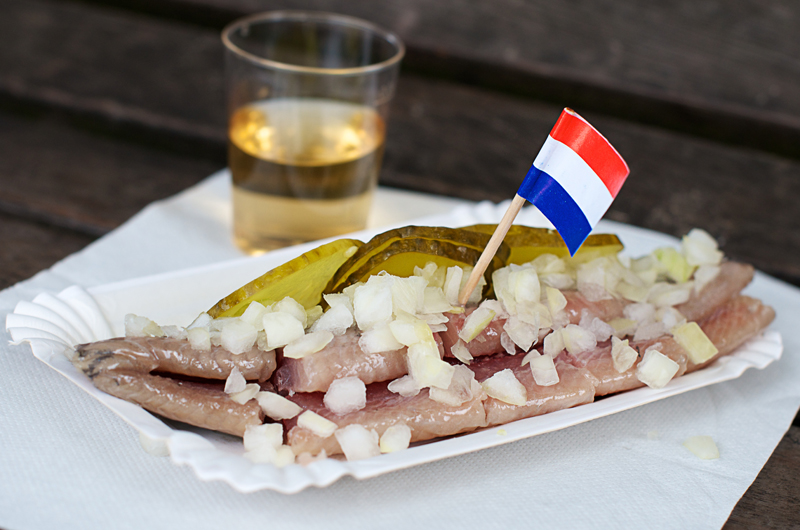
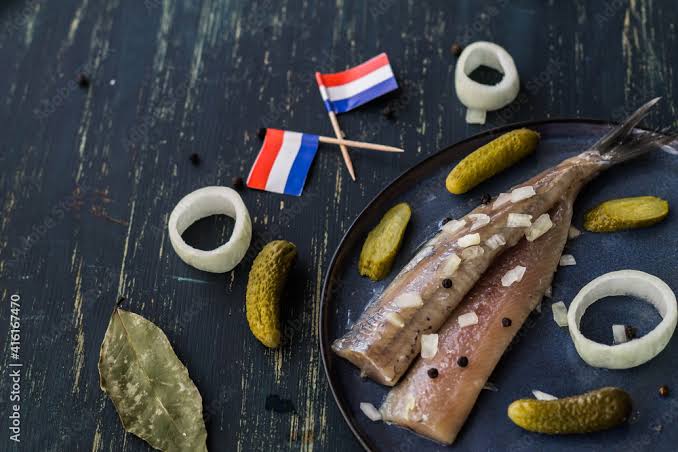
Hering is raw herring fish prepared using a traditional Dutch curing method. The fish undergoes a special salting and aging process that transforms it into a tender, flavorful delicacy.
Unlike sushi, hering isn’t completely raw. The curing process partially “cooks” the fish through salt and natural enzymes. This creates a unique texture that’s both firm and buttery.
Why Hering Matters to Dutch Culture
For the Dutch, hering represents more than just a snack. It’s a symbol of national identity. The fish connects modern Netherlands to its maritime heritage and Golden Age prosperity.
Every year, millions of Dutch people consume hering. It’s eaten at markets, festivals, and street corners across the country. This simple fish has become an integral part of Dutch social life.
The Amazing History Behind Dutch Hering
Willem Beukelszoon: The Man Who Changed Everything
The hering story begins in the 14th century with Willem Beukelszoon, a fisherman from Biervliet. He developed a revolutionary preservation method called “gibbing” or “kaken.”
This technique involved removing specific parts of the fish while keeping the pancreas intact. The pancreas enzymes, combined with salt, cured the fish from inside out. This allowed herring to be stored for months without spoiling.
How Hering Built the Dutch Golden Age
Beukelszoon’s innovation transformed the Netherlands into a maritime superpower. The preserved herring became known as “gold of the sea” because it generated enormous wealth.
Dutch fishing fleets could now travel farther and store more fish. This economic boom helped finance the powerful Dutch navy and contributed to building cities like Amsterdam.
The herring trade was so profitable that it directly funded the Dutch Golden Age. Art, architecture, and exploration all benefited from herring profits.
Understanding Hollandse Nieuwe: The Crown Jewel of Hering
What Makes Hollandse Nieuwe Special
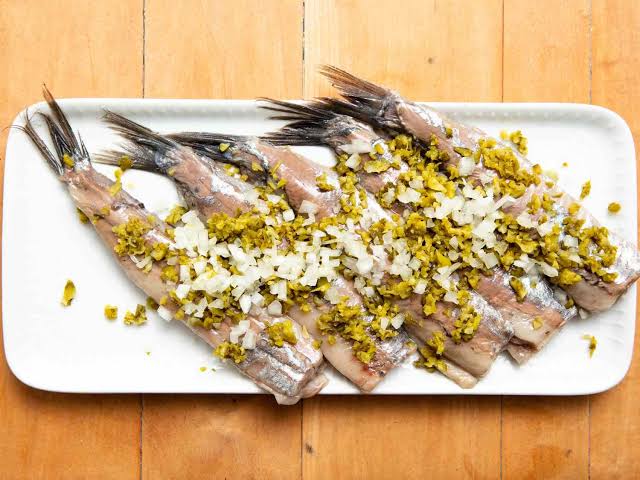
Hollandse Nieuwe (Dutch New Herring) represents the absolute best hering experience. These are young, lean herring caught during a specific season.
The fishing season runs from mid-May to early July. During this period, herring have perfect fat content – at least 16%. This high fat content creates the signature buttery texture and mild flavor.
The Fat Content Secret
The timing is crucial. Herring caught before spawning season have optimal fat distribution. After spawning, the fish become leaner and less flavorful.
This narrow window makes Hollandse Nieuwe a truly seasonal delicacy. Fish caught outside this period are still good but lack the premium quality.
Vlaggetjesdag: The Ultimate Hering Celebration
The first barrel of Hollandse Nieuwe triggers a national celebration called Vlaggetjesdag (Flag Day). This festival happens in the fishing town of Scheveningen.
The first barrel gets auctioned for charity, often selling for tens of thousands of euros. The event features parades, music, and massive amounts of fish consumption.
How to Eat Hering Like a True Dutch Local
The Traditional Haringhappen Method
The classic way to eat hering is called “haringhappen” (herring gulping). Hold the fish by its tail and lower the entire fillet into your mouth.
This method requires confidence and technique. Tilt your head back slightly and let the fish slide down. It’s part skill, part performance, and completely authentic.
Beginner-Friendly Alternatives
Don’t worry if haringhappen feels too intimidating. Most vendors offer sliced hering served in small containers.
The fish comes cut into bite-sized pieces, making it much easier to handle. This option is equally authentic and delicious.
Essential Toppings and Accompaniments
Traditional hering comes with two classic toppings:
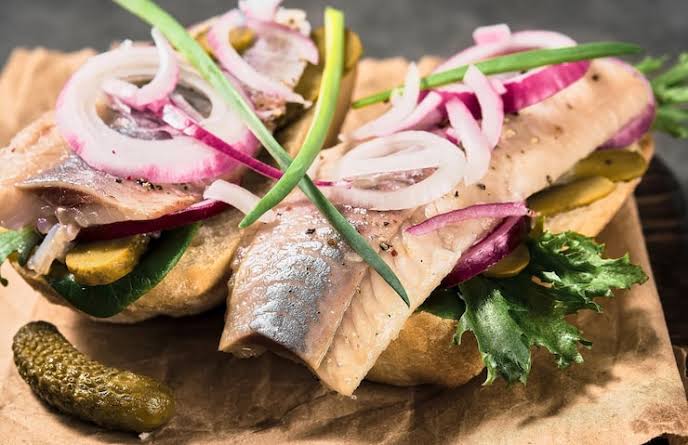
- Finely chopped raw onions (uitjes)
- Sliced gherkins or pickles
These accompaniments aren’t optional. The sharp onion and tangy pickles perfectly balance the rich, oily fish. Together, they create an addictive flavor combination.
Broodje Hering: The Sandwich Option
For a heartier meal, try broodje hering. This sandwich features filleted herring on a soft white bun with onions and pickles.
It’s perfect for lunch and offers a more substantial eating experience. Many locals prefer this option for a quick, satisfying meal.
Where to Find the Best Hering in Netherlands
Traditional Fish Stalls (Viskraam)
Look for haringhandel or viskraam – traditional fish stalls found throughout the Netherlands. These simple, open-air setups serve the freshest hering.
The best stalls always have long lines of customers. A busy viskraam indicates fresh fish and quality preparation.
Coastal Towns vs Urban Markets
Coastal areas like Scheveningen offer the freshest hering due to proximity to fishing ports. However, Amsterdam’s markets and street stalls also serve excellent quality fish.
Urban viskraam receive daily deliveries from coastal suppliers, ensuring freshness even in inland cities.
Recognizing Quality Hering
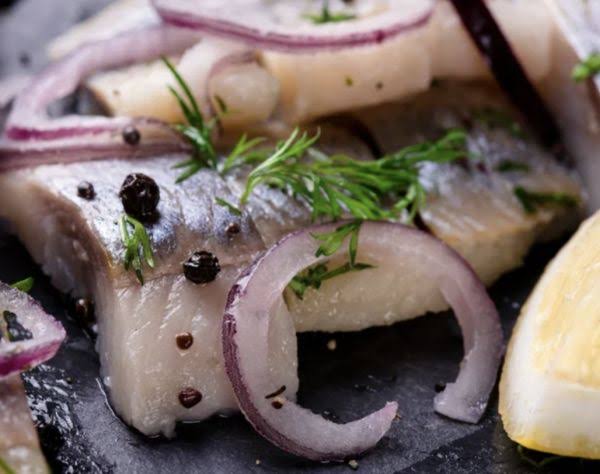
Good hering should smell like the ocean, not “fishy.” The flesh should be firm but tender, with a silver-pink color. Avoid any fish that looks dry or has an off odor.
Modern Hering: Safety and Regulations
Food Safety Measures
Since 1968, all hering must be frozen for 24 hours at extremely low temperatures. This process kills potential parasites while maintaining the fish’s quality and texture.
Some purists argue this isn’t truly “raw” fish anymore. However, most Dutch people accept this safety measure as necessary for public health.
Quality Standards and Regulations
Strict regulations govern hering production. The fish must meet specific fat content requirements and freshness standards.
These regulations ensure consistent quality across all vendors. Whether you buy hering in Amsterdam or a small village, the quality remains reliable.
Health Benefits of Eating Hering
Nutritional Powerhouse
Hering is packed with omega-3 fatty acids, high-quality protein, and essential vitamins. These nutrients support heart health, brain function, and overall wellness.
The curing process preserves most of these beneficial nutrients while adding probiotics from natural fermentation.
Sustainable Seafood Choice
Dutch herring fishing follows sustainable practices with strict quotas and seasonal restrictions. This ensures healthy fish populations for future generations.
Choosing hering supports responsible fishing and environmental conservation.
Cultural Significance and Social Aspects
Hering as Social Food
Eating hering is inherently social in Dutch culture. Friends share fish at markets, colleagues grab quick snacks together, and families enjoy hering during outings.
The communal aspect reinforces social bonds and cultural identity.
Tourist Experiences and Cultural Exchange
For visitors, trying hering represents cultural immersion. It’s a rite of passage that connects tourists to authentic Dutch experiences.
Many tourists initially hesitate but become converts after their first taste.
Seasonal Variations and Availability
Peak Season vs Year-Round Options
While Hollandse Nieuwe season offers the premium experience, hering is available year-round. Off-season fish still provides excellent flavor and cultural authenticity.
Different seasons offer varying fat content and flavor profiles, creating diversity in the hering experience.
Storage and Preservation Methods
Traditional preservation methods allow hering to maintain quality for extended periods. Proper storage techniques ensure the fish remains safe and delicious.
Modern refrigeration combined with traditional curing creates optimal preservation conditions.
Planning Your Hering Adventure
Best Times to Visit
Plan your Netherlands trip during Hollandse Nieuwe season (May-July) for the ultimate experience. However, any time of year offers authentic hering opportunities.
Vlaggetjesdag in Scheveningen provides the most spectacular hering celebration but also the largest crowds.
What to Expect as a First-Timer
Your first hering experience might feel unusual, but embrace the adventure. Start with sliced portions before attempting haringhappen.
Most vendors are patient with tourists and happy to explain the process.
Conclusion: Embracing the Hering Experience
Dutch hering offers more than just a meal – it provides a direct connection to Netherlands’ maritime heritage and cultural identity. This simple fish carries centuries of tradition and national pride.
Whether you choose the traditional haringhappen method or prefer sliced portions with onions and pickles, eating hering connects you to authentic Dutch culture. It’s a delicious reminder that sometimes the most profound cultural experiences come in the simplest packages.
Next time you visit the Netherlands, step up to a viskraam and order hering met uitjes. Take that leap of faith and taste a piece of Dutch history. You’ll discover why this silvery fish has captured Dutch hearts for over 600 years.
The hering experience awaits – salty, buttery, and unmistakably Dutch.