
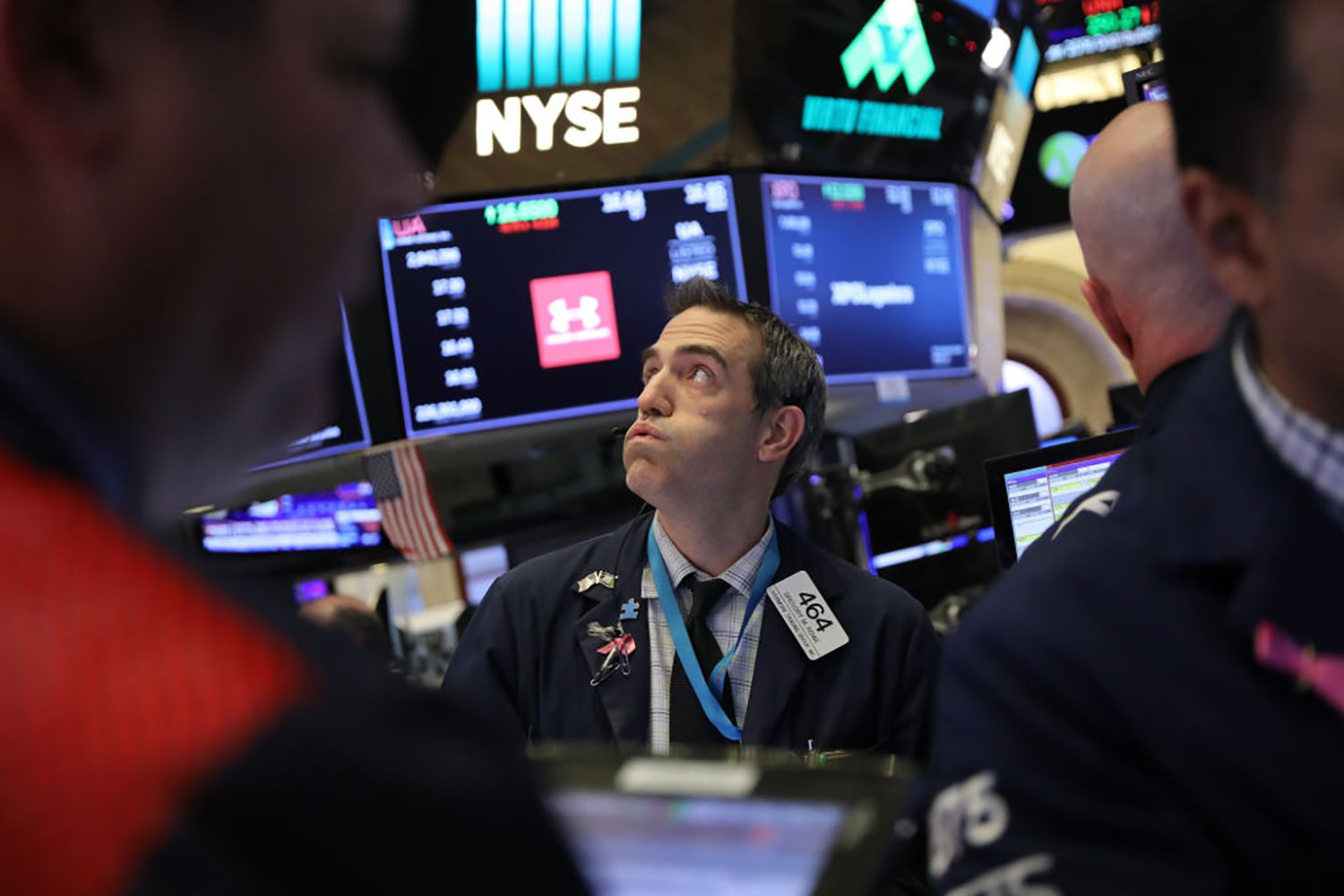
NYSE The Heartbeat of Global Finance
Ever wondered where the world’s biggest companies come to play the ultimate money game? Picture a massive, buzzing marketplace where billions of dollars move in seconds, decisions shape economies, and fortunes are made (or lost) in a blink. That place is the New York Stock Exchange—better known as the NYSE.
Let’s break it down together, in plain English, without the boring textbook vibe.
What Is the NYSE, Really?
At its core, the NYSE is a stock exchange—a marketplace where people buy and sell shares of publicly traded companies.
Think of it like a giant online bazaar. Instead of vegetables or clothes, traders deal in company ownership. You buy a slice of a business, and if it grows, you win. If it tanks… well, you feel it.
Founded in 1792, the NYSE isn’t just old—it’s legendary. It has witnessed wars, economic crashes, booms, and revolutions. And yet, it still stands as the backbone of global finance.
Where Is the NYSE Located?
The NYSE is headquartered on Wall Street in New York City—yes, the same street you’ve seen in movies.
Wall Street isn’t just a location; it’s a symbol. When people say “Wall Street,” they’re really talking about the entire financial system—and the NYSE sits right at its core.
How Does the NYSE Work?
Let’s simplify this.
Imagine you want to invest in a company like Apple Inc. or Coca-Cola. You don’t walk into their office with cash. Instead, you go through a broker or an app.
Here’s what happens behind the scenes:
- You place a buy order
- Someone else places a sell order
- The NYSE matches them
Boom—trade complete.
But here’s the twist: the NYSE still uses a mix of electronic trading and human floor traders. Yes, actual people on the trading floor. It’s like combining old-school hustle with modern tech.
Why Do Companies List on the NYSE?
Simple answer? Money and credibility.
When a company goes public on the NYSE (through an IPO), it raises capital from investors. That money can be used to grow, expand, or innovate.
But there’s more:
- Prestige: Being listed on the NYSE is like getting a gold badge
- Visibility: Investors worldwide take notice
- Trust: Strict regulations build confidence
Companies don’t just join the NYSE—they earn their spot.
NYSE vs Other Stock Exchanges
You might be thinking, “Isn’t there more than one stock exchange?”
Absolutely.
The NYSE’s biggest rival is the NASDAQ.
Here’s the quick comparison:
- NYSE: Traditional, hybrid system (people + tech)
- NASDAQ: Fully electronic, tech-heavy vibe
It’s like comparing a classic luxury car to a futuristic electric vehicle. Both are powerful—but they run differently.
What Moves the NYSE?
Now things get interesting.
Stock prices don’t move randomly. They react to:
- Company earnings
- Economic news
- Interest rates
- Global events
- Investor emotions (yes, fear and greed are real forces)
For example, if Tesla Inc. announces record profits, its stock might soar. But if there’s bad news? It can drop just as fast.
The market is like the ocean—calm one moment, stormy the next.
Who Participates in the NYSE?
It’s not just rich guys in suits (though they’re definitely there).
Here’s who’s involved:
- Retail investors (people like you and me)
- Institutional investors (banks, mutual funds, hedge funds)
- Traders (short-term players)
- Market makers (they keep trades flowing smoothly)
Everyone has a role, and together, they keep the market alive.
Why the NYSE Matters Globally
Let’s zoom out for a second.
The NYSE isn’t just an American thing—it’s global. When it moves, the world pays attention.
Why?
Because it reflects economic health. If the NYSE is booming, confidence is high. If it crashes, panic spreads across markets worldwide.
Remember events like the 2008 Financial Crisis? The NYSE played a central role in how that crisis unfolded and recovered.
It’s not just a market—it’s a signal.
Risks of Investing in the NYSE
Let’s not sugarcoat it.
Investing in the NYSE can make you money—but it can also burn you.
Here are some risks:
- Market volatility: Prices can swing wildly
- Economic downturns: Recessions hit hard
- Company failure: Not every business succeeds
- Emotional decisions: Panic selling is real
Think of investing like driving. You can reach your destination faster—but only if you stay in control.
Tips for Beginners Entering the NYSE
If you’re new, don’t jump in blindly. Seriously.
Start smart:
- Learn the basics before investing
- Diversify your portfolio (don’t put all eggs in one basket)
- Think long-term, not quick money
- Avoid hype-driven decisions
And most importantly—be patient.
The NYSE rewards discipline, not impulsiveness.
The Future of the NYSE
So, what’s next?
The NYSE is evolving. With AI, automation, and digital trading, the game is changing fast. But the core idea remains the same: connecting investors with opportunity.
We might see:
- Faster trading systems
- More global participation
- Increased retail investor influence
But one thing won’t change—the NYSE will remain a cornerstone of global finance.
Conclusion: More Than Just a Market
So, what’s the takeaway?
The New York Stock Exchange isn’t just a place where stocks are traded—it’s where stories unfold. It’s where startups become giants, where risks meet rewards, and where the pulse of the global economy can be felt every single day.
If you think about it, investing in the NYSE is like planting seeds. Some grow into towering trees, others don’t survive—but with patience and the right strategy, the forest you build can be life-changing.
Now the question is—are you just watching the market, or are you ready to step in?